Thursday, March 23, 2023

Best Reads of T2 2022-2023

Here are my favorite books that I read during second trimester. I used four of them for K/Grade 1 Mock Caldecott and three of them currently for Grade 2/3 Mock Sibert. All images and summaries from Goodreads.


Picture Books


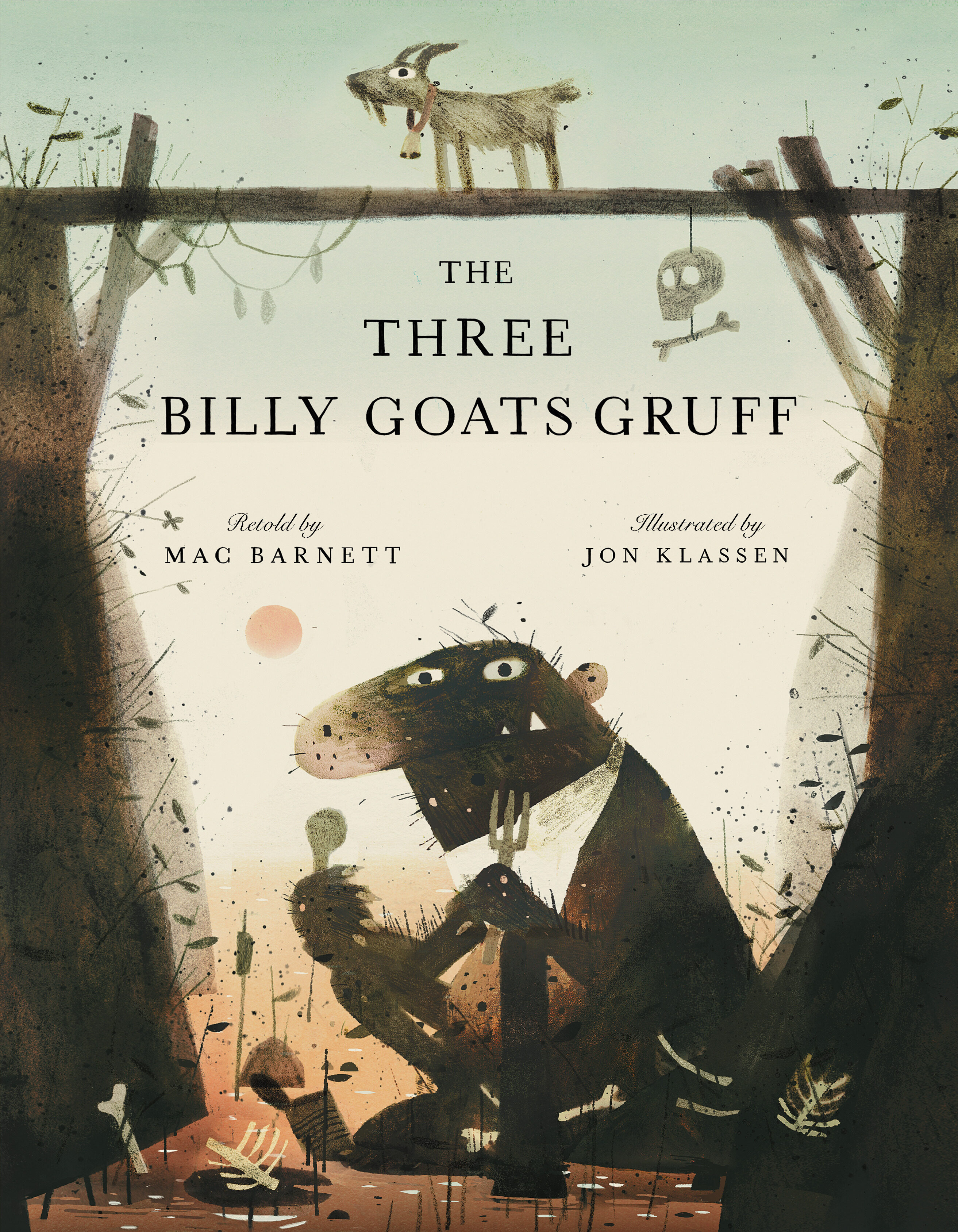
Once there was a bridge and a terrible and VERY hungry troll lived underneath it. When the three Billy Goats Gruff decide to clip-clop across the bridge to get to the grassy ridge, the troll is already imagining all the way to prepare a delicious goat dinner. But the troll underestimates those seemingly sweet but oh-so-savvy goats!


“See?” cries the calf. “Uni means one, and corn means horn!” Even their baby picture proves it: they were born with one horn! But as the eager little calf continues their research, a budding identity crisis arises when they realize they don’t quite check all the boxes—should a certain lack of moonlight sparkle or silky mane or rainbow poop decide the issue. Perhaps some unexpected encouragement from a pack of “real” unicorns might be just the assurance they need? 


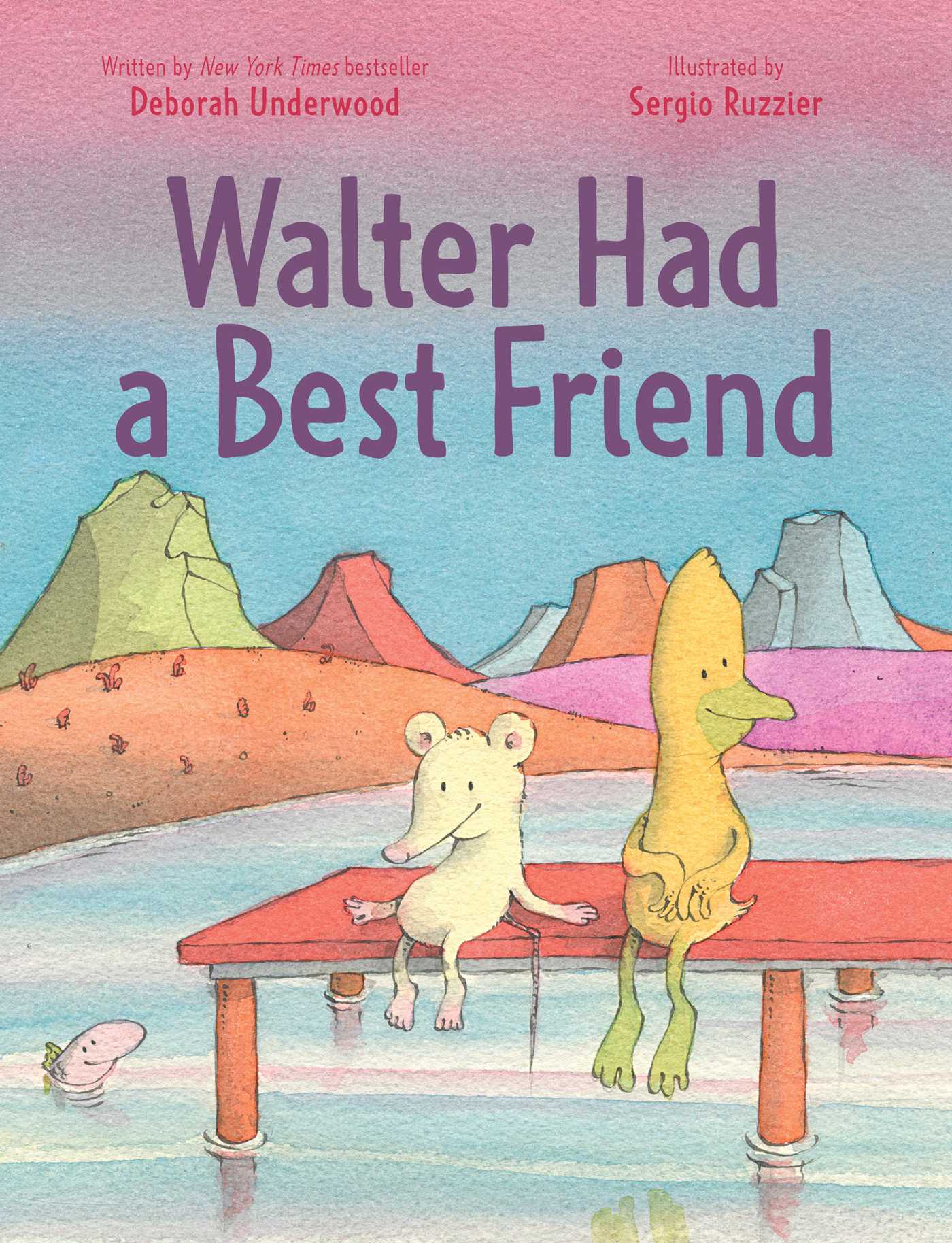
Walter and Xavier are best friends. They do everything together! But then…quietly…slowly…Xavier becomes best friends with someone else. Walter goes from feeling hurt and left out to feeling confused and angry to feeling just plain lonely. Until one morning he wakes up feeling a tiny bit hopeful. That day, while out for a hike by himself, he meets Ollie. Could this be the beginning of a new friendship? 

Sometimes best friends aren’t forever, and that’s okay. Because there might be a new pal waiting just around the corner.


The cat wants a horse.
The book cannot draw a horse.
The book CAN draw a squirrel, a beaver, and a bunny.
Fun . . . but the cat still wants a horse.
 
Can the quick-draw book appease the horse-obsessed cat with an impressive collection of horse-y alternatives (all created from the same “nothing shape”)? Or will the cat finally get a horse? The cat REALLY wants a horse.


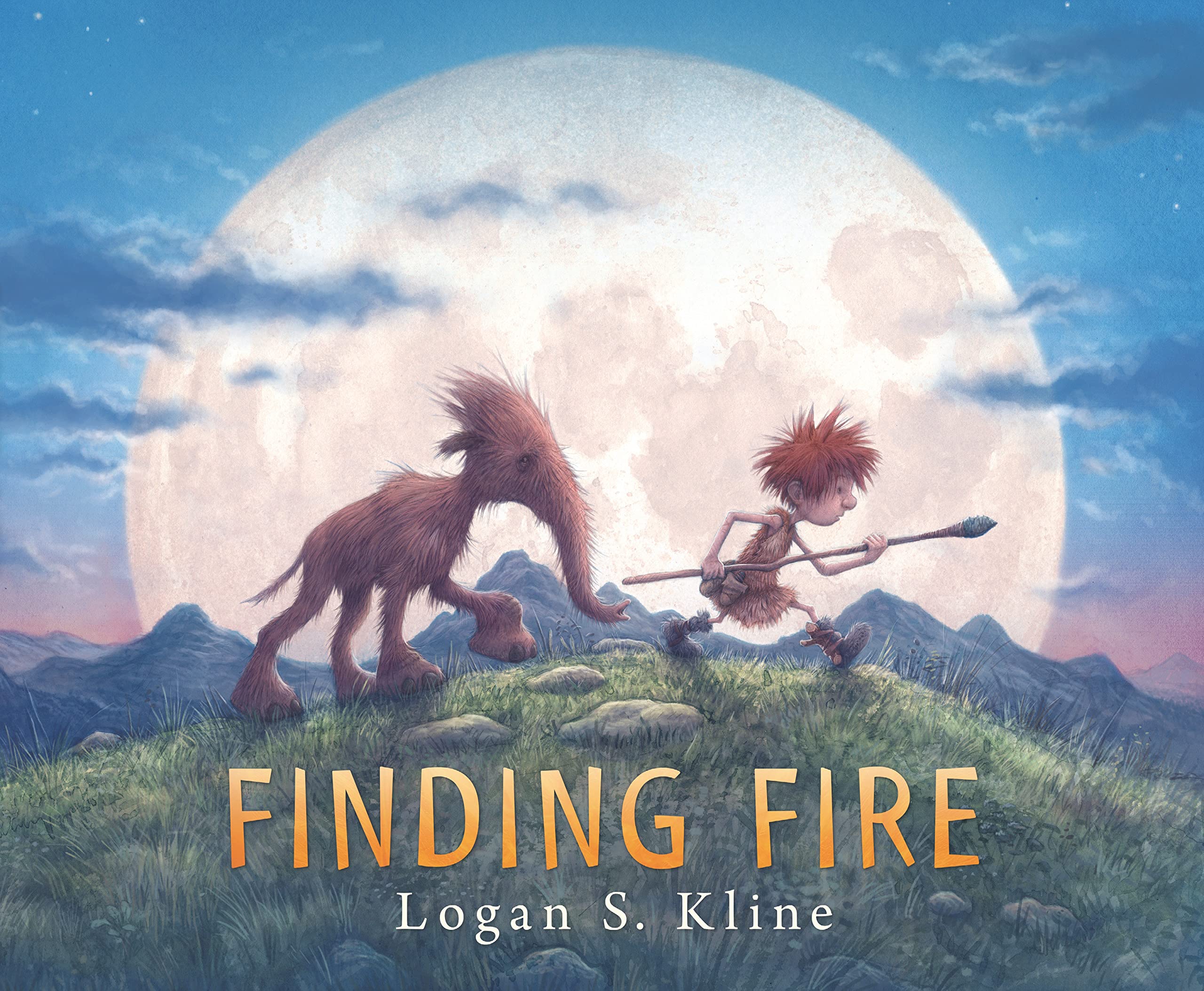
After a hard rain douses the family fire, a brave young boy sets out to search for more fire to bring home before the cold season sets in. Along the way, he’ll face many challenges, from perilous mountains to fearsome predators to raging rivers, and find something wholly unexpected: a friend. 


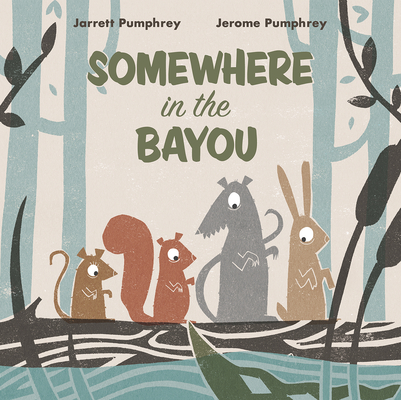
When four swamp creatures looking to cross a river come upon a log that would allow for precisely that, they can’t believe their luck. But a questionable tail adjacent to that log gives them second thoughts. Opossum believes it’s a sneaky tail and that they must pass it quietly. Squirrel thinks it’s a scary tail that can be cowed by intimidation. Rabbit decides it’s a mean tail that deserves a taste of its own medicine. As the critters exhaust approaches one by one, Mouse, the smallest of the lot, observes their folly and adjusts accordingly. But is it the mouse or the tail that will defy expectations?


Early Reader


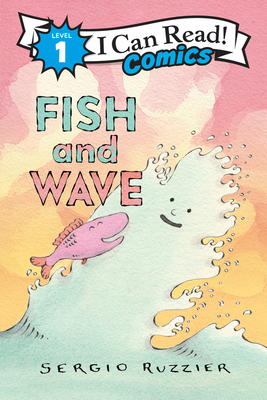
When a tiny wave grows bigger and bigger, what's a fish to do? Fish and Wave by Sergio Ruzzier is a playful exploration of what it really means to go with the flow.


Middle Grade Novels


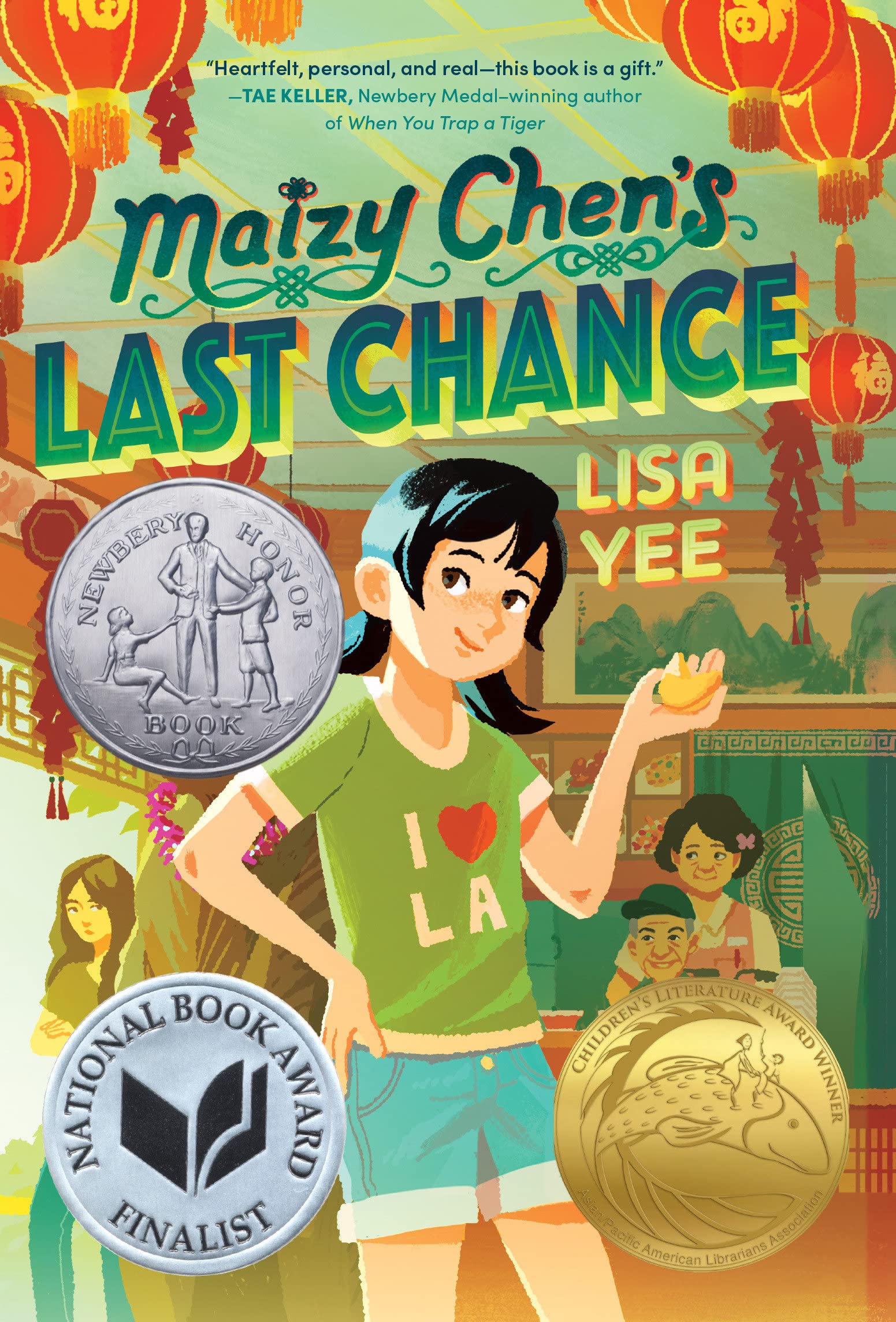
Maizy has never been to Last Chance, Minnesota. . . until now. Her Mom’s plan is just to stay for a couple weeks, until her grandfather gets better. But plans change, and as Maizy spends more time in Last Chance (where she and her family are the only Asian-Americans) and at The Golden Palace—the restaurant that’s been in her family for generations—she makes some discoveries. For instance:
• You can tell a LOT about someone by the way they order food.
• And people can surprise you. Sometimes in good ways, sometimes in disappointing ways.
• And the Golden Palace has Secrets.

But the more Maizy discovers, the more questions she has. Like, why are her mom and her grandmother always fighting? Who are the people in the photographs on the office wall? And when she discovers that a beloved family treasure has gone missing—and someone has left a racist note—Maizy decides it’s time find the answers.


Punk rock-loving JJ Pankowski can't seem to fit in at his new school in Greenpoint, Brooklyn, as one of the only white kids. Pie Velez, a math and history geek by day and graffiti artist by night is eager to follow in his idol, Jean-Michel Basquiat's, footsteps. The boys stumble into an unlikely friendship, swapping notes on their love of music and art, which sees them through a difficult semester at school and at home. But a run-in with the cops threatens to unravel it all.


Graphic Novels


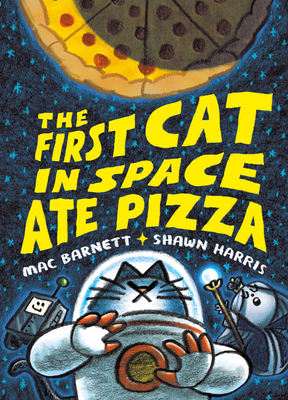
Something terrible is happening in the skies! Rats are eating the MOON!

There's only ONE hero for the job, a bold and fearsome beast bioengineered in a secret lab to be the moon's savior and Earth's last hope! And that hero is . . . a cat. A cat who will be blasted into space!

Accompanied by the imperious Moon Queen and LOZ 4000, a toenail clipping robot, the First Cat in Space journeys across a fantastic lunar landscape in a quest to save the world. 


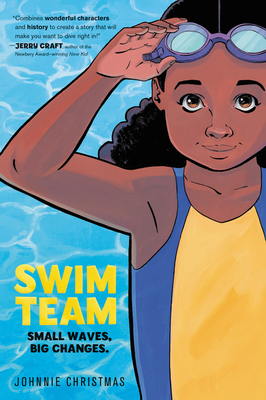
Bree can't wait for her first day at her new middle school, Enith Brigitha, home to the Mighty Manatees--until she's stuck with the only elective that fits her schedule, the dreaded Swim 101. The thought of swimming makes Bree more than a little queasy, yet she's forced to dive headfirst into one of her greatest fears. Lucky for her, Etta, an elderly occupant of her apartment building and former swim team captain, is willing to help.


Nonfiction


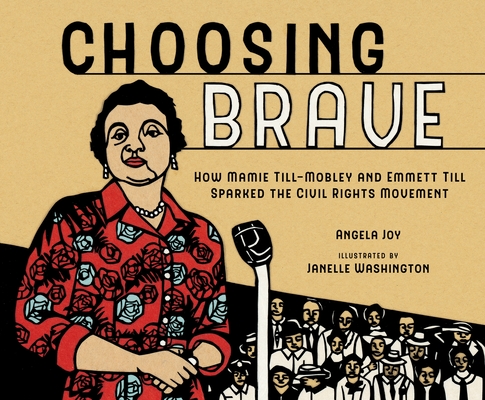
Mamie Till-Mobley is the mother of Emmett Till, the 14-year-old boy who was brutally murdered while visiting the South in 1955. His death became a rallying point for the civil rights movement, but few know that it was his mother who was the catalyst for bringing his name to the forefront of history.
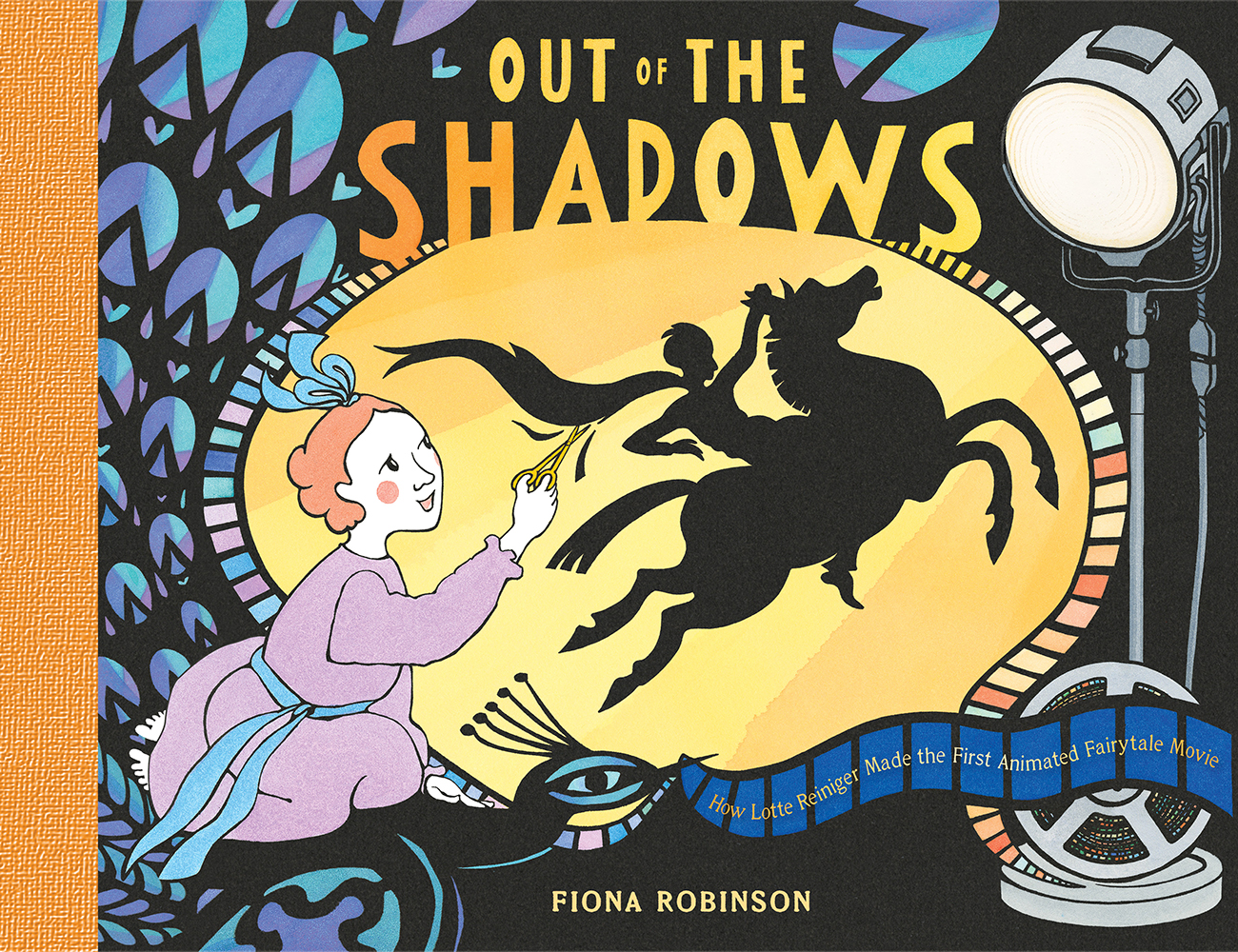


Lotte Reiniger (1899–1981) was a German film director and animator best known for The Adventures of Prince Achmed, which was released in 1926 and is the oldest surviving animated movie. (It came out a full 11 years before Disney’s Snow White!) As a little kid, Reiniger loved reading fairytales and fell in love with puppetry. At school, she learned about Scherenschnitte, or papercuts, which helped her create her signature style of silhouettes. She grew up to make more than 40 films throughout her long career, most of which were fairytales that used her stop-film animation technique of hand-cut silhouettes. Reiniger is now seen as the foremost pioneer of silhouette animation and the inventor of an early form of the multiplane camera. 


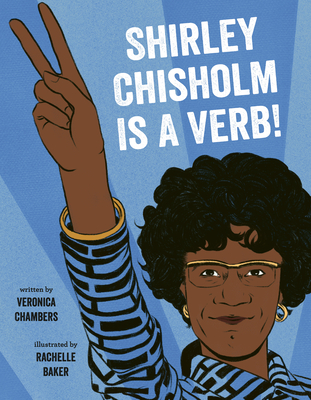
Shirley Chisholm famously said, "If they don't give you a seat at the table, bring a folding chair." This dynamic biography illuminates how Chisholm was a doer, an active and vocal participant in our nation's democracy, and a force to be reckoned with. Now young readers will learn about her early years, her time in Congress, her presidential bid and how her actions left a lasting legacy that continues to inspire, uplift, and instruct.


In this latest nonfiction picture book from Caldecott Honor–winning team Steve Jenkins and Robin Page, readers learn all about what makes a tool a tool—and the remarkable ways animals that use them to interact with our world. From the tailorbird, which repurposes spider silk to stitch a leaf into its nest, to the gorilla, which uses sticks to test water depth and build bridges, these animals are intelligent, innovative, and creative.


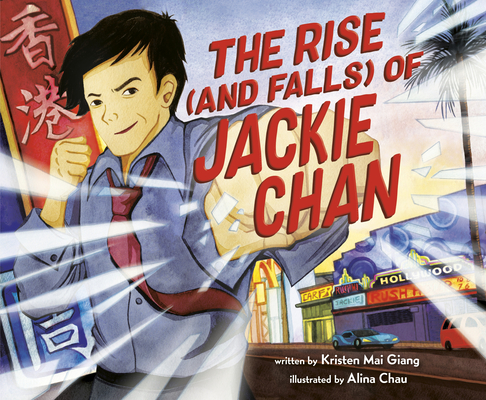
Pow! Bam! Wow! Jackie Chan has been making movies and amazing audiences with his original and comedic stunts for decades.

Pow! Bam! Ow! But before he was an international star, Jackie grew up in relative poverty in China, studied martial arts at the grueling China Drama Academy, and worked for years trying to find his way in film.

Pow! Bam! How?


Did you know that there are quadrillions of germs in the world? And that hundreds of billions of germs may be in the room around you--and inside you as well?

Acclaimed creators Seth Fishman and Isabel Greenberg explore the five main types of germs--bacteria, viruses, protozoa, fungi, and helminths--and the human immune system that protects us from them.


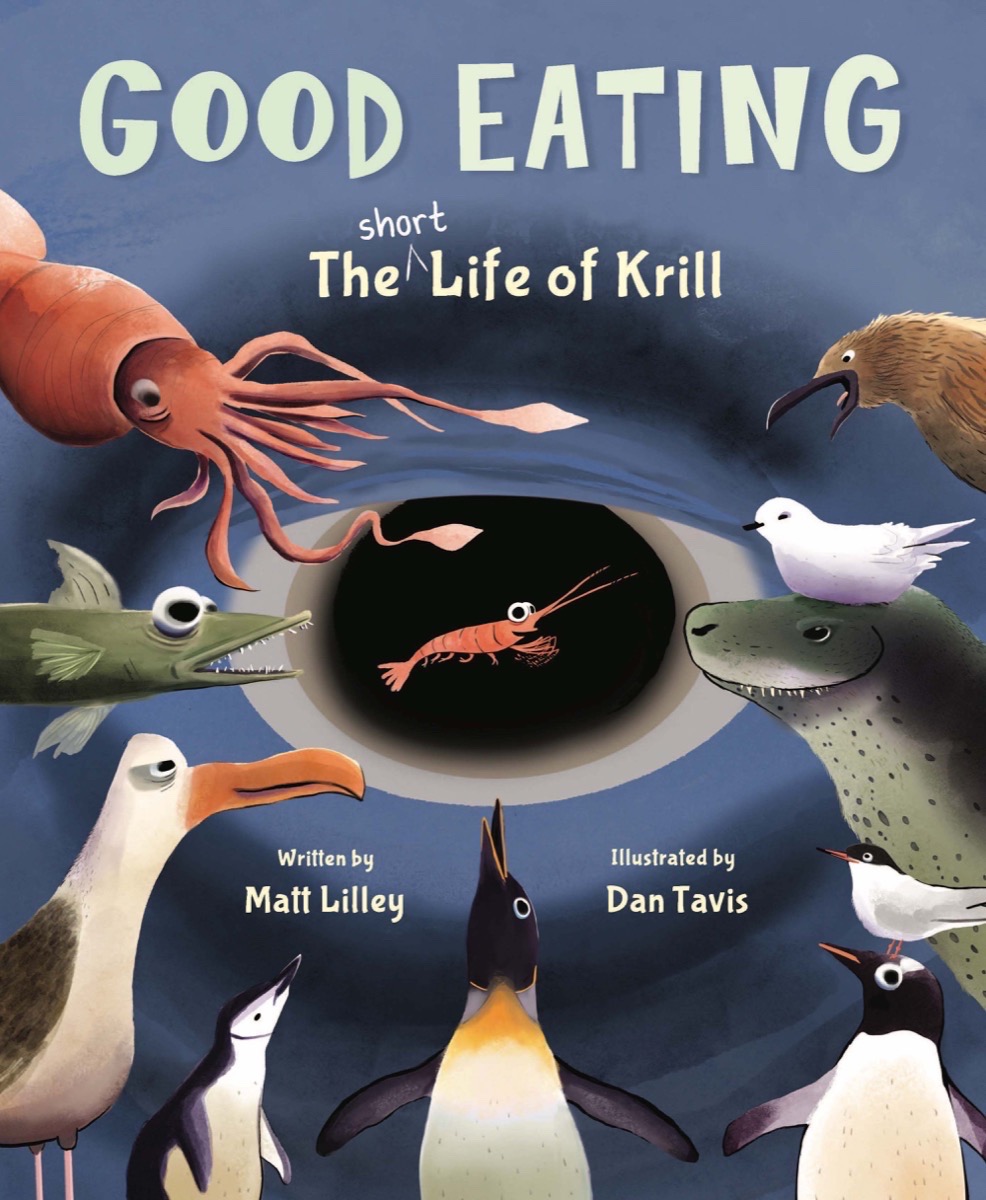
The unidentified narrator follows one krill among billions as it pursues its brief existence, eating and eating while metamorphosing from one thing into another and trying to avoid being eaten. Questions and advice are hurled at the krill on every page, but the krill never responds—because, after all, krill can’t talk, and this is nonfiction. 


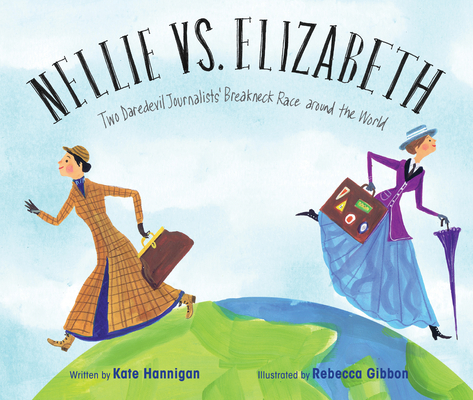
Nellie Bly was an energetic and eager reporter, but she wasn't able to think of a good story for her editors. Wishing she was on the other end of the earth, Nellie had an inspiration--she would travel around the world, just like in the fictional adventure book AROUND THE WORLD IN EIGHTY DAYS. When a fellow journalist, Elizabeth Bisland, heard about Nellie's plans, she decided to up the stakes--by beating Nellie in her own race! 
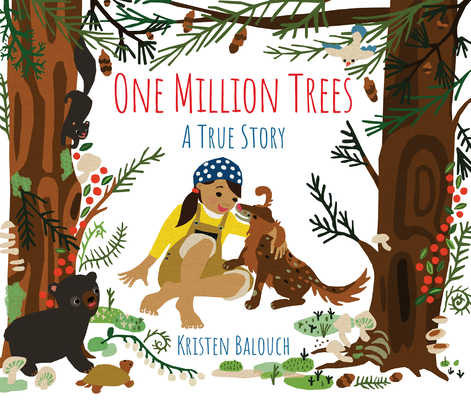


When Kristen Balouch was 10 years old, her parents made a surprising announcement: their whole family was going on a trip to plant trees! Kristen, her sisters, and her mom and dad--and their pet, Wonder Dog!--flew from their California home to a logging site in British Columbia. There, they joined a crew working to replant the trees that had been cut down.

In One Million Trees, Kristen reflects on the forty days they spent living in a tent, covered in mud and bug bites, working hard every day to plant a new forest. Young readers will learn a little French, practice some math skills, and learn all about how to plant a tree the right way!
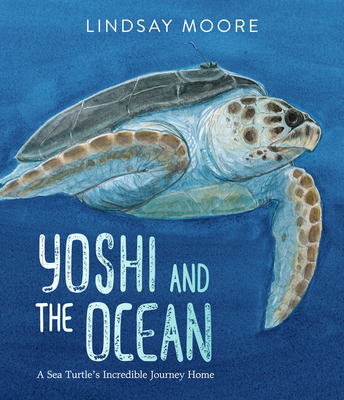


In 1997, a young loggerhead sea turtle was rescued from the ocean after an injury to her shell. The fishermen who rescued her named her Yoshi and took her to the Two Oceans Aquarium in Cape Town, South Africa. She was rehabilitated there and grew stronger—and larger!—every day. She also became one of the most popular exhibits at the aquarium. After twenty years in captivity, Yoshi was released back into the ocean and traveled more than 25,000 miles in 1,003 days to find her way home. A tracking device on her shell transmitted data about her journey to marine biologists and turtle enthusiasts of all ages around the world.
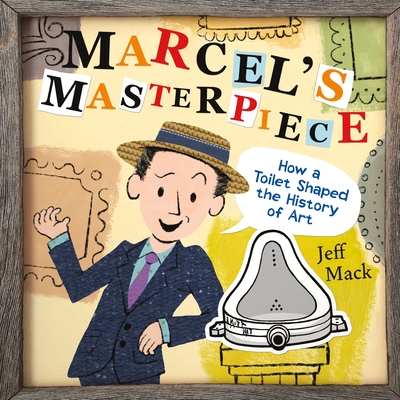


This is the story of Marcel Duchamp and how the Dada art movement changed the way people thought about what art could be, and what could be art. From drawing a moustache on the Mona Lisa to attaching a bicycle wheel to a stool, Duchamp's work challenged long-held notions of art and how it should be made. People were amused, confused, and sometimes offended, and that was just the way Marcel Duchamp liked it.
Sunday, February 26, 2023

Not a Box! (continued) with K

One of the most important roles I have as a library teacher is cultivating my students' imaginations. In K, we read Not a Box by Antoinette Portis; the main character creates all kinds of play scenarios with a simple cardboard box. Then the kids drew their ideas for our own continuation of the book. Here are some sample pages ... your family can borrow our book to see them all!


Sunday, December 4, 2022

Best Reads of T1 2022-2023

Here are my favorite books that I've read so far this school year. I'm using four of them for K/Grade 1 Mock Caldecott and two of them for Grade 2 Mock Sibert. All images and summaries from Goodreads.


Picture Books


Beware! This book has rules. You must follow all the rules. If you break the rules . . . Dennis the monster will eat you. And you don't want to be Dennis-food--do you? With a laugh-out-loud, interactive style, The Book of Rules invites you to get your sillies out before it's time to focus and listen to directions. And you better get started, because Dennis can't wait to eat--or, um--meet you!


A young girl lives in a haunted house, but has never seen a ghost. Are they white with holes for eyes? Are they hard to see? She’d love to know! Step inside and turn the transparent pages to help her on an entertaining ghost hunt, from behind the sofa, right up to the attic.


It's the first day of Kindergarten and Leo isn't at all ready. Leo is a quiet kid and would prefer to stay home. Over the summer, his new teacher, Ms. Perry sent a letter asking her students to think about how to show kindness in school. She explained that they would be making a kindness pledge, and each student should bring one way to show kindness on the first day. As it turns out, Leo's classmates have lots of ideas about kindness.


Meet Lou. Lou has an important job . . . as the neighborhood toilet for dogs on their walks. Useful as he may be, he gets the feeling that deep down inside, there might be more to him than that. He just doesn't seem to know exactly what yet. When disaster strikes, will Lou find out what he's made of and save the day?


Louis wants a dog, but his Grandma insists, "There are enough dogs in the neighborhood already." But how many dogs are in the neighborhood? Surely a sternly worded letter to City Hall will clear this up. When it turns out that City Hall doesn't keep an official count of this essential demographic, Louis and his Grandma do their civic duty and take matters into their own hands. 


Tiny is having a party, but Bina Bear is nowhere to be found. Is that Bina hiding under a lampshade? It looks like Bina . . . but it must be a lamp. Is that Bina beneath the fruit bowl? It could be . . . but it's probably just a table. Searching for Bina, Tiny realizes something is wrong—and sets out to make it right. This is a humorous yet sincere picture book about friendship, understanding, and embracing our loved ones just as they are.


Shapes. You’ve heard of them. You might have even interacted with a few. But do you really know them? From plucky Plunger, who wishes to defy his shape and become a beautiful vase, to other household objects with dreams of a life beyond their predestined roles, I Want to Be a Vase takes readers on an essential and visually stunning journey through the lives and intimate dramas of often-overlooked household appliances.


Life can be hard for the only brown girl in a classroom full of white students. When the teacher talks about slavery, she can feel all of her classmates staring at her. When they talk about civil rights, she is the one that other kids whisper about on the playground. In those moments, she wants to slip away or seep into the ground; and she wonders, is that all you see when you look at me? What really matters is what she sees when she looks at herself.


Over the course of a long walk across a city, one curious kid needs to know: "Does it have a butt?" Everything from sheep to ghosts to dinosaurs is subjected to this all-important question, and Dad is a never-ending source of answers. On a laugh-out-loud father-child ramble, we come to see that every butt, from a bullfrog's to a zombie's, has its own distinctive, and distinctively hilarious, quality.


The young girl tells us that her mom’s new friend is just like the big bad wolf. At first the wolf is sweet and kind to her mom, though the girl notices the wolf’s cold eyes from the very beginning. When her mom arrives home late one day, the wolf suddenly hurls angry words and terrible names at her. From that day on her mother doesn’t smile anymore. How will she and her mom cope as the wolf becomes increasingly fierce?


To make . . . a cake, a garden, a song, you first gather, then make—and wait. To make a story (like this one), you gather, make, wait. To make anything—big or small—it will take some time. You may have to gather more, make more, and wait a little more, but you can create wonderful things if you just gather, make, and wait.


Middle Grade Novels


Jason Reynolds and his best bud, Jason Griffin had a mind-meld. And they decided to tackle it, in one fell swoop, in about ten sentences, and 300 pages of art, this piece, this contemplation-manifesto-fierce-vulnerable-gorgeous-terrifying-WhatIsWrongWithHumans-hope-filled-hopeful-searing-Eye-Poppingly-Illustrated-tender-heartbreaking-how-The-HECK-did-They-Come-UP-with-This project about oxygen. And all of the symbolism attached to that word, especially NOW. And so for anyone who didn’t really know what it means to not be able to breathe, REALLY breathe, for generations, now you know. And those who already do, you’ll be nodding yep yep, that is exactly how it is. 


Stone-in-the-Glen, once a lovely town, has fallen on hard times. The people put their faith in the Mayor, a dazzling fellow who promises he alone can help. After all, he is a famous dragon slayer. (At least, no one has seen a dragon in his presence.) Only the clever children of the Orphan House and the kindly Ogress at the edge of town can see how dire the town’s problems are. 

Then one day a child goes missing from the Orphan House. At the Mayor’s suggestion, all eyes turn to the Ogress. But how can the Orphans tell the story of the Ogress’s goodness to people who refuse to listen? And how can they make their deluded neighbors see the real villain in their midst?


Danny Timmons has looked up to Jack Bailey ever since the older boy saved two small children from drowning during the Great Flood of 1940. Now with his father away fighting in World War II and his mother about to have a new baby, Danny relies on Jack’s friendship and guidance more than ever. So when Jack goes missing from their small Appalachian town, Danny is determined to find him. 

Eventually, Danny’s investigation forces him to reckon with even larger questions: What is America fighting for in this war? What role do each of us play in stopping injustices, big and small? And is there such thing as a true hero? 


Marisol Rainey's two least-favorite things are radishes and gym class. She avoids radishes with very little trouble, but gym is another story--especially when Coach Decker announces that they will be learning to play kickball. 

There are so many things that can go wrong in kickball. What if Marisol tries to kick the ball . . . but falls down? What if she tries to catch the ball and gets smacked in the nose? What if she's the worst kickballer in the history of kickball? Marisol and her best friend Jada decide to get help from the most unlikely--and most annoying--athlete in the world: Marisol's big brother, Oz.


Ten-year-old Anthony Joplin has made it to double digits! Which means he's finally old enough to play in the spades tournament every Joplin Man before him seems to have won. Then Ant's best friend gets grounded, and he's forced to find another spades partner. And Shirley, the new girl in his class, isn't exactly what he has in mind. She talks a whole lot of trash -- way more than his old partner. Plus, he's not sure that his father wants him playing with a girl. But she's smart and tough and pretty, and knows every card trick in the book. So Ant decides to join forces with Shirley -- and keep his plans a secret.

Only it turns out secrets are another Joplin Man tradition. And his father is hiding one so big it may tear their family apart...


Isaac and Marco already know sixth grade is going to change their lives. But it won’t change things at home—not without each other’s help.

This year, star basketball player Isaac plans on finally keeping up with his schoolwork. Better grades will surely stop Isaac’s parents from arguing all the time. Meanwhile, straight-A Marco vows on finally winning his father’s approval by earning a spot on the school’s basketball team.

But will their friendship and support for each other be enough to keep the two boys from falling short?


Bea and her mom have always been a two-person team. But now her mom is marrying Wendell, and their team is growing by three boys, two dogs, and a cat.

Finding her place in her new blended family may be tough, but when Bea finds out her school might not get the all-girls soccer team they’d been promised, she learns that the bigger the team, the stronger the fight—and that for the girls to get what they deserve, they’re going to need a squad behind them.


Nonfiction


Do YOU like PIZZA? Because right now, somewhere in the world, someone is eating it. Did you know that in the United States we eat 350 slices of pizza every second? Or that in Sweden they serve pizza with bananas and peanuts? All over the world, people love pizza--but where did it come from? And who made the first pizza?

From an early age in Glasgow, Scotland, June Almeida loved learning about science and nature. She dreamed of attending university but economic hardships caused her to leave school at age 16. Still, June was determined to pursue her passion for science. 

She was hired by a local hospital to work in its lab, using a microscope to magnify and examine cells. Her skill in using the electron microscope to examine cells and help identify viruses earned her promotion and respect in the science community. When June was 34 years old, she discovered the first human coronavirus. Her groundbreaking work continues to help researchers today in the fight against illnesses caused by viruses, including COVID-19.


This picture book tells the story of Harriet Hemenway's boycott of fashionable feathered hats, which saved millions of birds and led to the founding of the Audubon Society. 


Kitty O'Neil was a force to be reckoned with. She became deaf as a child, and grew up loving sports and action. Kitty jumped, ran, raced, and swam, all while learning to read lips and communicating through sign language. Eventually, Kitty took a job as a stuntwoman, doing the most dangerous job on set and even filming stunts for films like Wonder Woman!

Still, Kitty wanted more thrills. She became a racecar driver and sought to do what no woman had done before. 


Beatrice Shilling wasn't quite like other children. She could make anything. She could fix anything. And when she took a thing apart, she put it back together better than before.

When Beatrice left home to study engineering, she knew that as a girl she wouldn't be quite like the other engineers--and she wasn't. She was better. Still, it took hard work and perseverance to persuade the Royal Aircraft Establishment to give her a chance. But when World War II broke out and British fighter pilots took to the skies in a desperate struggle for survival against Hitler's bombers, it was clearly time for new ideas. 


In the bustle of the busy streets of Chandigarh, India, Nek Chand saw something no one else did. Where others saw rocks and stones, Nek saw the boyhood village he missed so dearly. Where others saw broken plates and glass, Nek saw laughing men. And where others saw trash, Nek saw beauty.

Nek Chand’s incredible rock garden, built from stone and scraps and concrete, began as a way for him to express his long-felt grief at having to leave his boyhood village due to the violence caused by the partition of India. What began as a secret and personal (not to mention initially illegal) project became so much more, not only to Nek but to all of India.