Monday, November 8, 2021

Cinderella as Retold / Summarized by Rm 9

In 4th grade, we are learning about the difference between retelling and summarizing a story. Retelling has lots more details and may contain dialogue, like the students' retelling of "Cinderella" below.
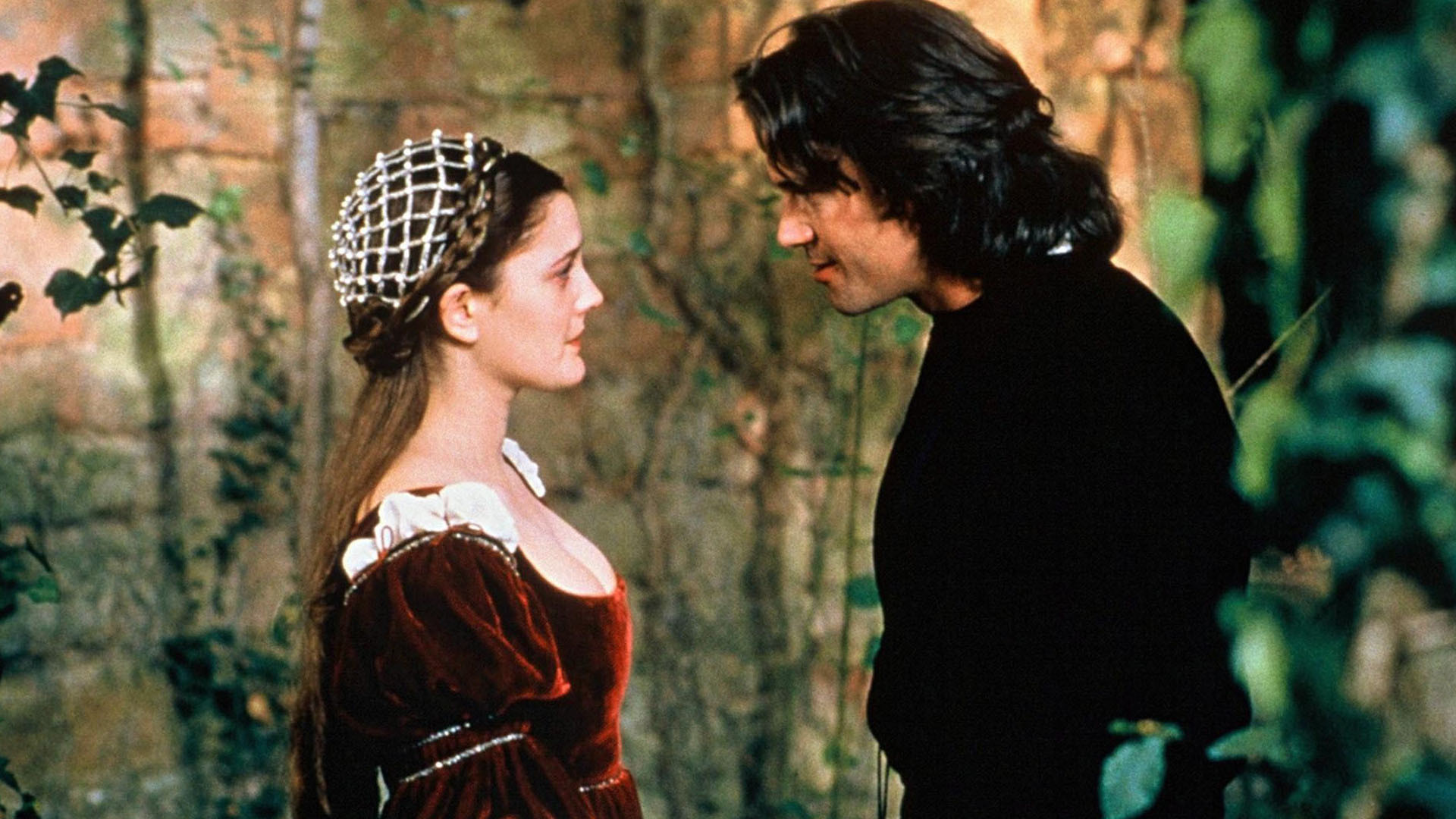

Ms. Moore's favorite retelling is "Ever After," starring Drew Barrymore.
Photo from thewonderfulworldofcinema.wordpress.com.

Retelling

Once upon a time, Cinderella (C.) was cleaning her house and getting her stepsisters ready for a party. She slipped on the wet wood and broke her foot. She couldn’t go to the party / ball, because she had to do chores. And now she has a broken foot, so she definitely can’t. 

Her stepmother made C. work all night with no sleep. The next day, she got her stepsisters ready for the ball, and they went. C. was crying because she wanted to go. Then her fairy godmother (FG) came and gave her a wagon and stuff out of pumpkins and rats made into horses. 

Then her FG gave her a very pretty dress and breakable glass shoes (one was a boot for her broken foot). More rats got made into people to whack the horses to move (aka coachmen). Then one of the horses slipped in the mud, and the whole wagon toppled over. 

The FG tells C she has to come back before 12 o’clock, when everything will disappear. 

She was going to the ball and when she was there, she was picked to dance with the prince. She forgot about time and had to rush to the carriage and go home at midnight. She accidentally threw her slipper when she thought she was getting rid of trash. 

On the way home, chickens blocked the road, but they ran over the chickens. C got out of the wagon and she went to her house, looked back at the wagon, which had tipped over again, and said, “Welp, there goes my wagon.” But then it rolled towards her and ran over her other foot. 

She looked behind the carriage and saw the prince chasing after it. But then all he saw was a giant pumpkin, because the carriage lost its magic. Then cows ate the wagon. Which was a pumpkin again.

The prince thought he saw her horse, but it was really C., and he tackled over her. Then the prince came inside the house and saw a rat and went screaming away. 

The prince finds the glass slipper when he is running back scared from the rat. He recognized it from C. (even though he hadn’t recognized her when he thought she was a horse). 

C. at home hears a ding dong from the door. But she can’t open it because her stepsisters locked her up. The prince has come with the slipper. C. finds a key and when she comes out, the stepsisters push her out of the way and try on the slipper, but it doesn’t fit them. C. tries it, and it fits her perfectly. The prince brings her to the castle and they get married.

Summary

After we retold Cinderella in 444 words, it was time to summarize it in a couple of sentences. The method I taught the 4th graders is Somebody Wanted But So Then. Here are some of the summaries they came up with:


The stepsisters 

Wanted C. to be their slave while they went to the ball

But C. got to the ball.

So the prince asked her to dance.

Then she had to leave at midnight.


The Fairy Godmother

Wanted C. to go to the ball looking nice,

But C. lost her slipper.

So the prince found it.

Then he gave it back to C.


Wednesday, October 27, 2021

Three of These Things with Grade 1

A big part of information literacy is being able to recognize patterns and to categorize facts, sources, etc. We're starting to work on these skills in first grade. 

Our latest lesson is one of my favorites; it involves the original Three of These Things from Sesame Street. Original as in from the 1970s. I showed several sample videos to the kids, and they raised their hands as soon as they figured out what didn't belong. Here's one that we didn't get to:


Then it was the students' turn to pretend they were segment producers and come up with their own "Three of These Things" example. Can you tell what doesn't belong?


Sunday, October 17, 2021

Cinderella as Retold / Summarized by Room 11

In 4th grade, we are learning about the difference between retelling and summarizing a story. Retelling has lots more details and may contain dialogue, like the students' retelling of "Cinderella" below.


Ms. Moore's favorite retelling is "Ever After," starring Drew Barrymore.
Photo from thewonderfulworldofcinema.wordpress.com.

Retelling

Once upon a time, there was a girl name Cinderella. Her sisters were mean to her. Her stepmother made her do all the chores around the house while her kids were getting to slack off all day. Her sisters and her stepmother want to go to the ball, and C. wasn’t allowed to, even though she really wanted to. 

She cried and cried, and suddenly her fairy godmother appeared. The FG makes a pumpkin turn into a carriage and gives her a beautiful dress and glass slippers. The FG tells her, “You have to leave before midnight, or else everything will disappear.” Then she gets to go to the ball. 

The prince sees her and asks her to dance. Then she has so much fun getting to dance, she lost track of time and had to rush out at 12, losing her glass slipper. Then the prince tries to find her and return the glass slipper. 

When he gets to her house, the sisters try on the slipper, but they don’t fit. Then C. tried it on and it fit! They lived happily ever after. 

Summary

After we retold Cinderella in 185 words, it was time to summarize it in a couple of sentences. The method I taught the 4th graders is Somebody Wanted But So Then. Here are some of the summaries they came up with:


Cinderella 
Wanted to go to the ball, 
But the stepmother and stepsisters didn’t let her. 
So she stays home playing a board game. 
Then her fairy godmother comes. 

The prince 
Wanted to marry Cinderella, 
But it struck midnight, and she ran away because the magic would run out.
So her shoe fell off.
Then the prince goes door to door trying to find her. 

The stepsisters 
Wanted the prince to marry them, 
But he had eyes for C. only. 
So the next morning, the prince comes around and asks them to try on the glass slipper. 
Then they try to fit by cutting off their toes and heels. 

The stepmother
Wanted C to stay home and not go to the ball, 
But the FG came and got everything ready for her so she could go to the ball. 
Then the clock struck midnight and she ran away. 

The FG 
Wanted for C. to go to the ball, 
But her magic would run out at midnight. 
So C went to the ball.
Then the clock struck 12.

Thursday, October 14, 2021

Grade 2 Covers Inspired by The Z Was Zapped

Second graders are learning about how call numbers help us find books in the library. 

 We read The Z Was Zapped by Chris Van Allsburg, which features the letters of the alphabet meeting sad fates. The students had to guess the action happening to them, which started with the same letter; for example, the F was flattened by a foot and the Q was quartered. 

 Then the kids created their own version of the book, as well as their personal call number. I've added their work into a binder that can be checked out and brought home as a library book. Here is a preview:


Friday, September 24, 2021

What Ms. Moore Read Over the Summer

Here are some of the most recent books I've read and recommend for my students. (I read a lot more books for grownups than usual this summer.) Cover images and descriptions are from Goodreads. 


Picture Books


Gorgeously written and illustrated, this is an eye-opening exploration of the many types of work that go into building our world--from the making of a bridge to a wind farm, an amusement park, and even the very picture book that you are reading. An architect may dream up the plans for a house, but someone has to actually work the saws and pound the nails. This book is a thank-you to the skilled women and men who work tirelessly to see our dreams brought to life.


Wishes tells the powerful, honest story about one Vietnamese family's search for a new home on the other side of the world, and the long-lasting and powerful impact that makes on the littlest member of the family. Inspired by actual events in the author's life, this is a narrative that is both timely and timeless. Told through the eyes of a young girl, the story chronicles a family's difficult and powerful journey to pack up what they can carry and to leave their world behind, traveling to a new and unknown place in a crowded boat. 


Turtle really likes standing in his favorite spot. He likes it so much that he asks his friend Armadillo to come over and stand in it, too. But now that Armadillo is standing in that spot, he has a bad feeling about it . . .

Here comes The Rock from the Sky, a meditation on the workings of friendship, fate, shared futuristic visions, and that funny feeling you get that there's something off somewhere, but you just can't put your finger on it.


When two curious kids embark on a wonder walk, they let their imaginations soar as they look at the world in a whole new light. They have thought-provoking questions for everything they see: Is the sun the world's light bulb? Is dirt the world's skin? Are rivers the earth's veins? Is the wind the world breathing? I wonder . . . Young readers will wonder too, as they ponder these gorgeous pages and make all kinds of new connections. What a wonderful world indeed!


This is no ordinary first journey. The rainy season has come to the Mekong Delta, and An, a young Vietnamese boy, sets out alone in a wooden boat wearing a little backpack and armed only with a single oar. On the way, he is confronted by giant crested waves, heavy rainfall and eerie forests where fear takes hold of him. Although daunted by the dark unknown, An realizes that he is not alone and continues to paddle. He knows it will all be worth it when he reaches his destination--one familiar to children all over the world.


When a girl and her family travel four thousand miles from home, it's not your typical summer vacation. Everything is different on the Alaskan tundra--where the grizzly bears roam and the sockeye salmon swim--including the rules. A girl can do things she wouldn't, and couldn't, do at home.

She can wake up at midnight to work with her mom on a fishing crew. She can learn what it means to be an essential part of a team. She can become a braver, stronger, and ever-more capable version of herself. She can take her next big step.

She's ready for her first real sunrise.


From Geisel Award–winning author-illustrator Corey Tabor comes a tale about self-confidence and taking a leap of faith, starring an adorable, brave kingfisher.

Sometimes, you might fall

down,

down,

down,

before you learn to fly

up,

up,

up…

A charming and innovative tale about a plucky little bird, from the award-winning author of Fox the Tiger.


Early Reader


Like all peas, Pea loves to roll. So when a no-good strawberry dares him to roll all the way off the farm, he swears he can do it—eazy me-zee!

But along the way, a powerful thunderstorm strikes and bounces Pea off course...and right into two unlikely new buds: a bee named Bee who thinks she knows it all, and a bird named Jay who can’t figure out how to fly.

On their own they may not look like much, but if this trio can stick together, they just might help Pea find his way back home!


Middle Grade Fiction


Ever since Ellie wore a whale swimsuit and made a big splash at her fifth birthday party, she’s been bullied about her weight. To cope, she tries to live by the Fat Girl Rules–like “no making waves,” “avoid eating in public,” and “don’t move so fast that your body jiggles.” And she’s found her safe space–her swimming pool–where she feels weightless in a fat-obsessed world. In the water, she can stretch herself out like a starfish and take up all the room she wants. It’s also where she can get away from her pushy mom, who thinks criticizing Ellie’s weight will motivate her to diet. Fortunately, Ellie has allies in her dad, her therapist, and her new neighbor, Catalina, who loves Ellie for who she is. . 


It's the summer before middle school and eleven-year-old Bug's best friend Moira has decided the two of them need to use the next few months to prepare. For Moira, this means figuring out the right clothes to wear, learning how to put on makeup, and deciding which boys are cuter in their yearbook photos than in real life. But none of this is all that appealing to Bug, who doesn't particularly want to spend more time trying to understand how to be a girl. Besides, there's something more important to worry about: A ghost is haunting Bug's eerie old house in rural Vermont...and maybe haunting Bug in particular. 


Picture Books


Celebrated author Carole Boston Weatherford and illustrator Floyd Cooper provide a powerful look at the Tulsa Race Massacre, one of the worst incidents of racial violence in our nation's history. The book traces the history of African Americans in Tulsa's Greenwood district and chronicles the devastation that occurred in 1921 when a white mob attacked the Black community. News of what happened was largely suppressed, and no official investigation occurred for seventy-five years. This picture book sensitively introduces young readers to this tragedy and concludes with a call for a better future.


Growing up in Baltimore, Thurgood Marshall could see that things weren’t fair. The laws said that Black and white people couldn’t use the same schools, parks, or water fountains. When Thurgood had to read the Constitution as punishment for a prank at school, his eyes were opened. It was clear to him that Jim Crow laws were wrong, and he was willing to do whatever it took to change them.

His determination to make sure all Americans were treated equally led him to law school and then the NAACP, where he argued cases like Brown v. Board of Education in front of the Supreme Court. But to become a Justice on the highest court in the land, Thurgood had to make space for himself every step of the way.


The Library Secret Service offers Official Guidelines on how to take care of library books and keep them safe from harm. "Never let pets eat your library books. Don't let Mom or Dad munch on them either," is just one example. Packed with hilarious guidelines and characters.


Witty and mischievous Jane Austen grew up in a house overflowing with words. As a young girl, she delighted in making her family laugh with tales that poked fun at the popular novels of her time, stories that featured fragile ladies and ridiculous plots. Before long, Jane was writing her own stories-uproariously funny ones, using all the details of her life in a country village as inspiration. In times of joy, Jane's words burst from her pen. But after facing sorrow and loss, she wondered if she'd ever write again. Jane realized her writing would not be truly her own until she found her unique voice.